Greg Fulton on the Return of Forge Interview
After the Forge faction was withdrawn, on May 25, 1999, Greg Fulton — a member of New World Computing responsible for overseeing production of the Armageddon’s Blade expansion — addressed the issue on the Astral Wizard forum. That forum no longer exists today, but at the time it was probably the most important fan site dedicated to the Heroes of Might and Magic series. It was there, as well as on the official 3DO forum, that much of the criticism directed at the Forge faction was concentrated.
In an interview at the time, when asked, “Will the Forge return?”, Greg replied: “Perhaps, but not in its current form.” Twenty-seven years later, in a way, those words have finally come true — the Forge is returning, albeit in a different incarnation: as an expansion for the official Heroes of Might and Magic III Board Game. To mark the anniversary of the Astral Wizard interview, together with Acid Cave and Behemoth Lair, we invite you to read our conversation with Greg Fulton.
| Heroes of Might and Magic III: The Board Game – Factory, Bulwark & Forge Expansions |
| Follow new campaign on GameFound |
Return of Forge Interview Interview Questions
Ubisoft recently released a commemorative book celebrating the 30th anniversary of the Heroes of Might and Magic series. I’ve already finished reading it — it’s full of fascinating trivia, anecdotes (including some of yours, like the story about the burning vending machine), and interesting case studies. Looking back nearly 30 years later, how do you remember that period, both from a game design and an organizational standpoint?
From a game design perspective, despite the Forge being cancelled, I remember it fondly. Considering Might and Magic 3 is still one of my all-time favorite computer games, working with Jon Van Caneghem (JVC), each week, was something of a treat.
From an organizational perspective, it’s difficult to form a strong opinion. Making any video game, good or bad, is incredibly difficult, for a large variety of reasons. When friends ask about New World Computing, I typically them, NWC was arguably the best company I ever worked with, and ironically, the least talented.
It’s impossible to avoid the topic of the Forge. How do you assess the concept of this faction after all these years, and the circumstances surrounding its cancellation?
Regarding the concept of the Forge faction, I’d start by saying, I know JVC and Paul Rattner (MM6 and MM7 game designer) both bristled at the thought of the those who rejected the sci-fi foundation of the Might and Magic series. For me, it was one of M&M’s most enjoyable elements.
Everyone tends to forget the sci-fi elements in Dungeons & Dragons, like Expedition to the Barrier Peaks (1980). Everyone tends to forget the sci-fi elements in the first Ultima games.
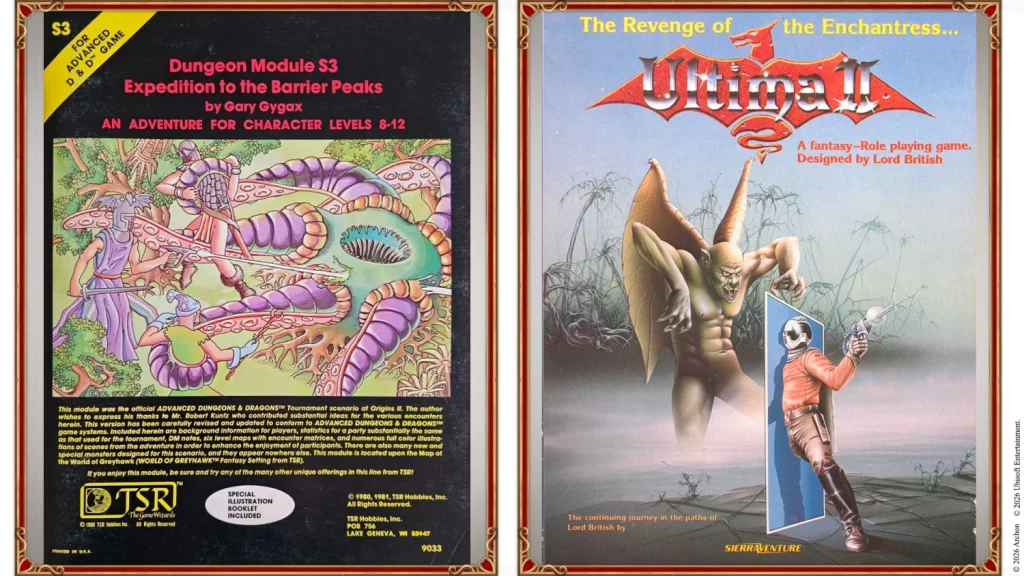
This being said, sci-fi in a fantasy setting still needs to be properly presented and executed. When exhibited as a dangerous foreign element, I believe it can be very compelling. This was what I wanted to do in the original Forge story, but we never got the chance, and to be fair… the NWC art staff was having trouble executing.
Regarding the circumstances surrounding the Forge’s cancellation, at the time, in 1999, the internet and online discourse was still a very new thing. I don’t think Phil McCrum (Astral Wizard creator), understood the implications of his stance, and we certainly didn’t know how to react to the situation. It was a harsh learning experience for both sides.
After 27 years, the Forge story has reached a kind of conclusion — the faction you worked on is finally being released, even if as an expansion for a board game rather than a video game. How does that make you feel? And how do you assess your collaboration with Archon Studio on this project?
How does it feel? It feels good. Only after I began working with Archon, after all these years, did I realize the Forge was still an unresolved issue. Now… it’s done. Very happy.
As for Archon, I have nothing but positive thoughts. Our collaboration and chemistry was almost effortless. It’s amazing what can be accomplished when a team of people all want the same thing.
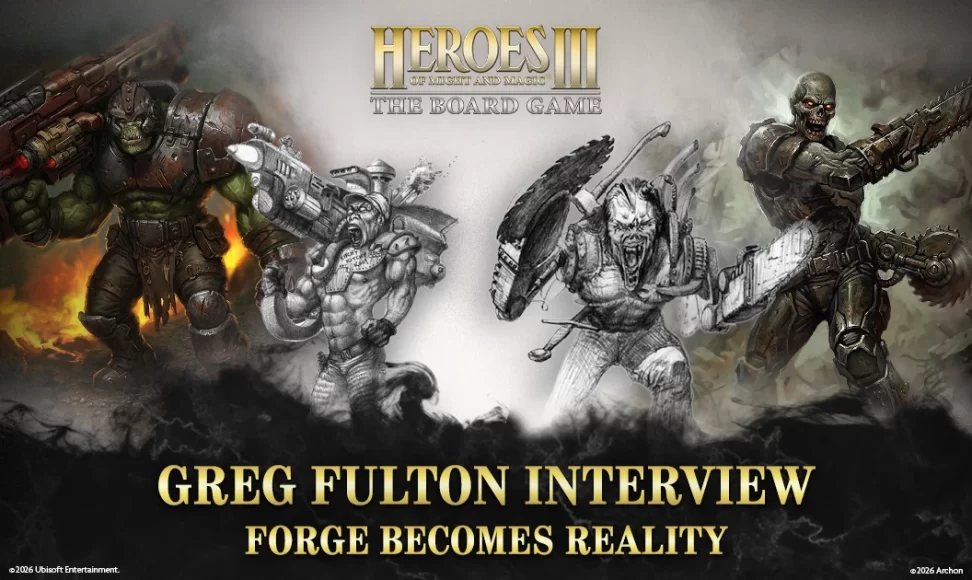
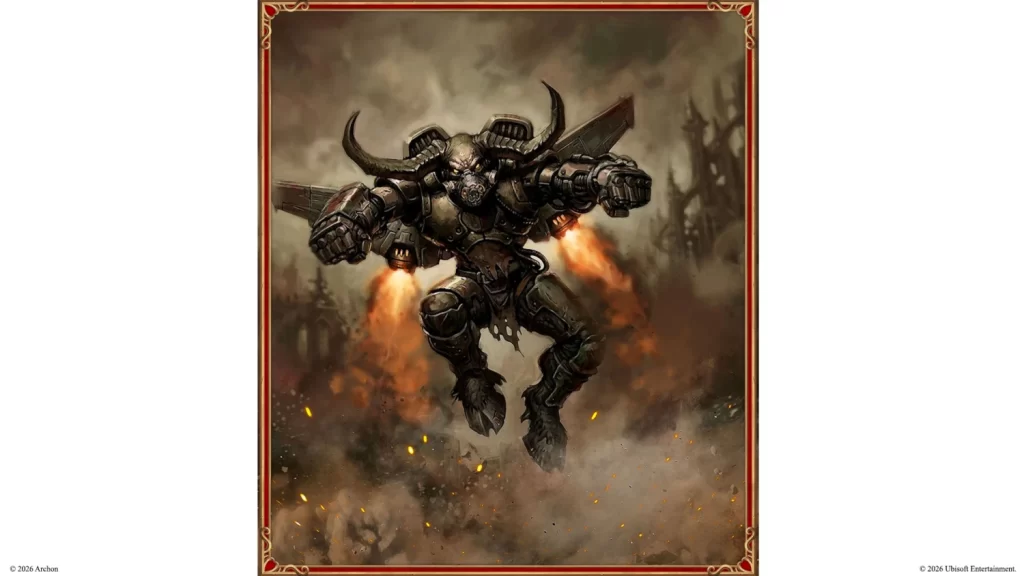
Even at the stage of our initial discussions about bringing Forge into a board game version, it was clear that this would not be a direct recreation of the 1999 concept — including in terms of visuals. We now have a complete set of unit illustrations created by an experienced artist from Archon Studio, who has given them their own distinctive style. How do you evaluate this artistic direction?
Captured everything I sought. Creative. Dramatic. Horrifying. Energetic. Top tier work. Receiving a new piece of Forge art, in email, was typically the highlight of my day.
Forge still stirs a lot of emotion among fans, and various modding teams — including Day of Reckoning and Horn of the Abyss — are working on their own versions of it. You’ve had contact with them — could you tell us more about those experiences and how you perceive fan-made expansions of your ideas?
Regarding the DoR and HotA conceptions of the Forge, I’ve answered a lot of questions from both teams, and helped both as much as I could. Each team has been gracious, and in both instances, they wanted to be loyal to the original concept.
DoR is the most faithful to my original Forge design and story. HotA is consistent with my Archon re-design. From what I’ve seen, both teams are doing great work, and in my opinion, it’s just as good as what NWC did in 1999.
From a creator’s perspective, how do you view the longevity and enduring popularity of Heroes III? Do you have any favorite elements, moments, or aspects of the game?
It’s been 25+ years since the original game’s release, and I’m amazed people continue to play it. When I log on to Twitch, and see thousands of people still playing, I can’t help but tilt my head, smirk, and shrug.
For favorite ‘elements’, there are far too many to name. I am very proud of the work I did on HoMM3… all of it.
For favorite ‘moments’, I’d suggest reading the HoMM3 Recollections from the Fanstratics Newsletters. There were other events outside of the recollections, but the Recollections cover most of them.
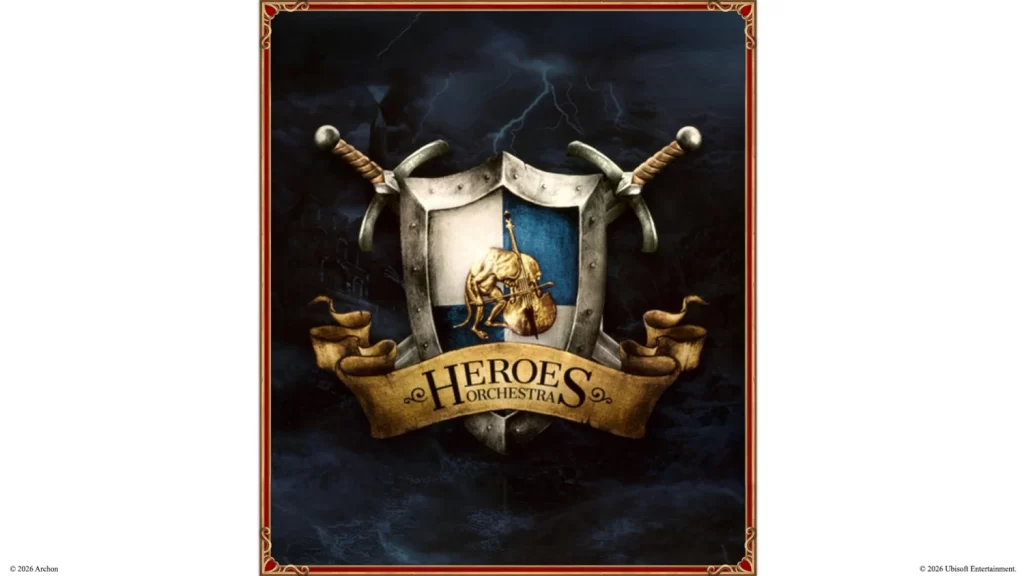
For favorite ‘aspects’? I know it’s not exactly part of the game, but I really get a kick from the community created humor and memes. When the Heroes Orchestra paired the Troglodyte with a Cello, I LOL’d
I must admit that working with you (and the HotA Crew) on the Forge — its lore and unit lineups — has been a great pleasure for me. I was particularly impressed by some of the heroes whose biographies you prepared. Do you have any favorite elements of the Forge project in its current 2025/2026 version?
I had fun rebuilding the faction, designing the new elements, working with Archon and the HotA team. It was an unexpected pleasure. As for game elements…
Zeestral. She really came together. Her presence in the game echoes so many things on so many levels.
Dark Mullich. This was the first Forge Hero I created for this new iteration of the faction. I couldn’t resist.
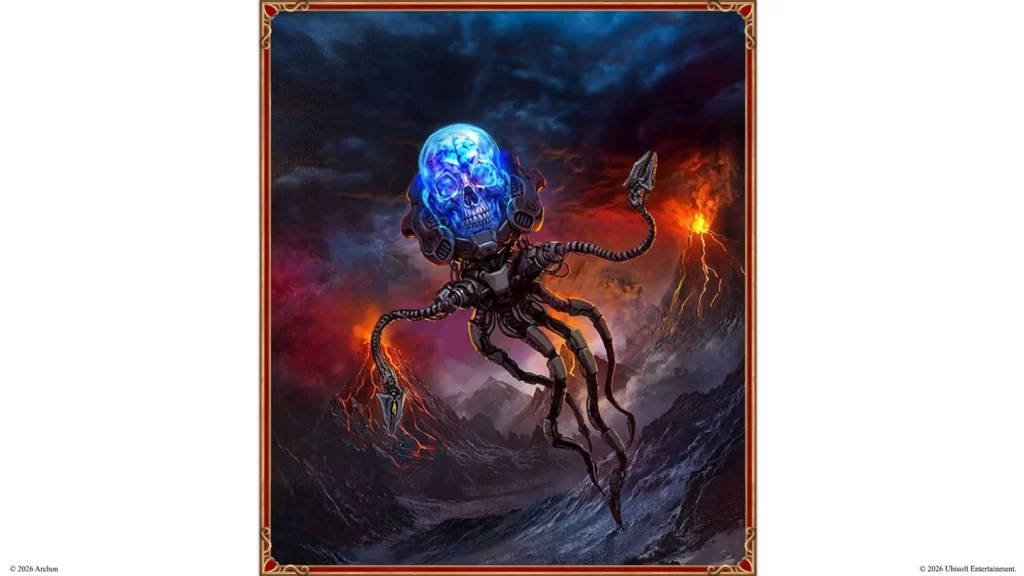
Psionics Watchers. I was blown away by the concept art.
You also worked on the Fanstratics project, which was ultimately never completed. Would you like to say a few words about it? What are you currently working on, and how do you look back today on your contribution to the Might and Magic universe?
I still have the unfinished Fanstratics design, and from time-to-time, I’ll browse the collected pieces of concept art. On some level, I haven’t given up on it, as I still own the domain name.
Concerning the present, I am focused on completing the HoMM3 Recollections I started within the Fanstratics Newsletters. My goal is to finish the writing, by the end of this year, and self-publish early next year. After the book, I’m going to take another crack at game development, but the next game’s scope will need to be well within my current health limitations.
How do I look back on my contribution to Might and Magic? When most people get into game development, deep down, they want the world to know they made a positive contribution. To my knowledge, HoMM3 was NWC’s all-time best-selling title, and is generally considered to be a classic. As a team, I’d like to think we made our mark. 😉
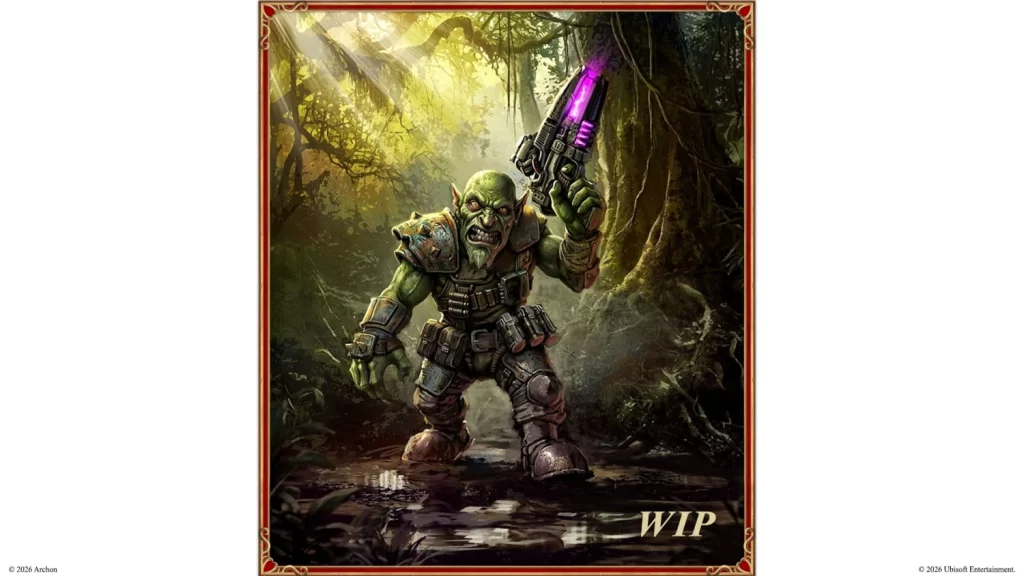
Since we’re talking about your legacy in the Might and Magic universe — the series’ fans are an exceptionally inquisitive community, one that has spent the past quarter of a century analyzing every surviving fragment of information about the original, cancelled Forge. I’d like to ask you a series of questions about a few details from 1999 that you might finally be able to clarify, starting with this: what was the intended maximum level of the Mage Guild in Forge back in 1999?
The Mage Guild shown in NWC’s E3 promotional screen has three clearly visible segments, but the town screen graphics files shared by a mysterious user named “benhur” on HeroesCommunity in June 2010, believed to be original NWC assets, depict five levels of the Mage Guild…
Originally, I believe I specified 4 levels, but 3 and 2 were a strong possibility. I was really waiting to see how it was going to play out in test.
For Archon, I decided to set the Forge at 3 levels.
Staying with mechanics: what war machine was the Forge supposed to produce, and what resource did the Resource Silo produce in the original Forge? On what native terrain was this town originally intended to be placed? And how was this handled in the board game version?
The Forge War Machine started as an Ammo Cart, and naturally complimented the faction’s shooters. For Archon, I took the opportunity to change it into a Lightning Generator. From the last render I saw, it looks something like a medieval Tesla Coil on wheels.
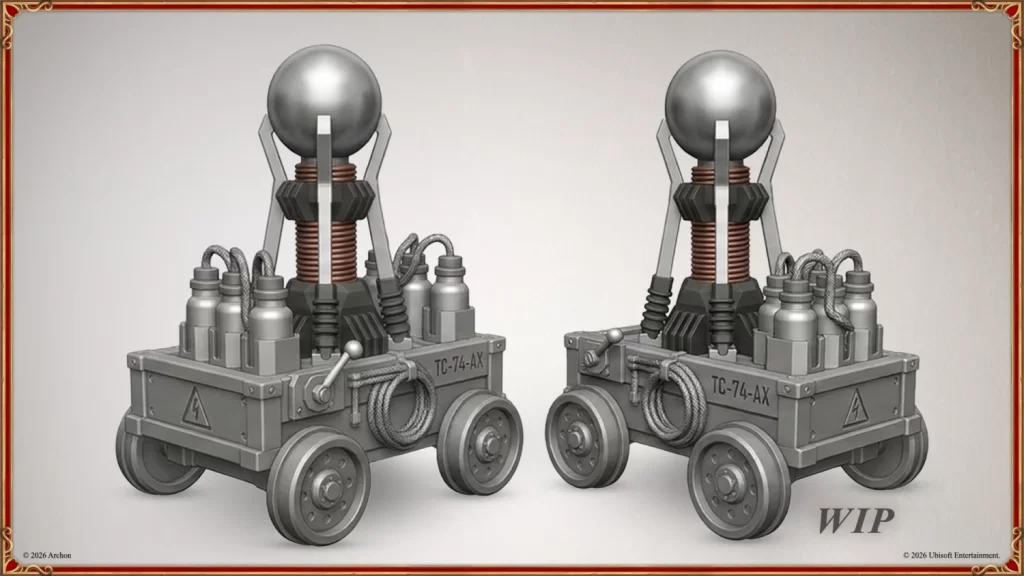
Forge Resource Silo… don’t exactly recall this one. I believe it was supposed to produce +1 Ore. I was toying with the possibility of making it a two-tier structure, where you could upgrade it to produce an additional +1 Sulfur or +1 Crystal. For Archon, I went all the way, and made it a four-tier structure, able to produce +1 Wood, +1 Ore, +1 Crystal, and +1 Gems.
Forge Native Terrain… originally was on Rough. For Archon, the HotA team wanted Lava, as it fit better with what they were doing. Either worked just as well, so we changed it to Lava.
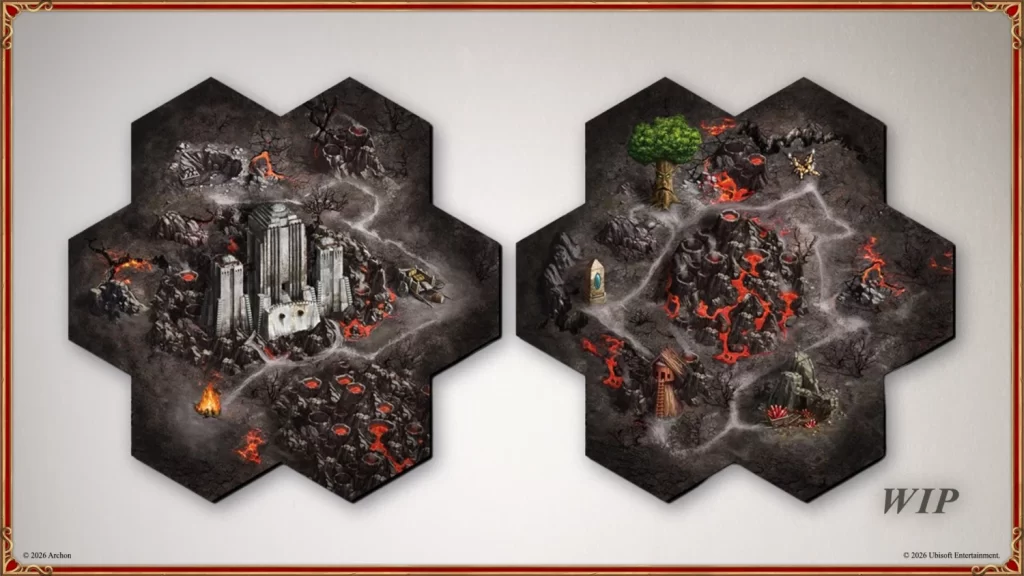
Another major unknown for us concerns the special buildings. Do you remember what their intended properties were and what they would have offered the player?
A Lightning Generator and an Upgraded Artifact Merchant were two elements I wanted in the game, but I was having trouble deciding where to put them. Either could’ve been attached to the Town Grail. A Tesla Coil could be used for town siege defense, or an upgraded Artifact Merchant, tied into MM7’s Heavenly Forge storyline, could be used to manufacture powerful artifacts.
For Archon, I basically proposed making room for the Tesla Coil as a War Machine, the Artifact Factory as the upgraded Artifact Merchant, and the Phased Weather Array as a unique Town Grail.
Originally, the Town Moat was supposed to be ‘toxic’, but I hadn’t figured out exactly what ‘toxic’ was supposed to be. Stronger Siege Walls and Siege Arrow Towers were also under consideration. For Archon I embraced all of this.
Originally, one or two other ‘special’ structures had yet to be designed. For Archon, I designed the aforementioned Artifact Factory, and for the second structure, I proposed a Cybernetic Transformer, which turns specific troops into their Forge equivalents.
Could you elaborate for readers on the concept of the Forge’s level 7 unit from 1999? Unlike the other six, the community essentially knows nothing about it beyond the names Juggernaut/Dreadnought. In 1999, had you already defined its special abilities or its general battlefield role? And how was this handled in the board game version, given that the HotA Crew created their own interpretation of the Juggernaut/Dreadnought?
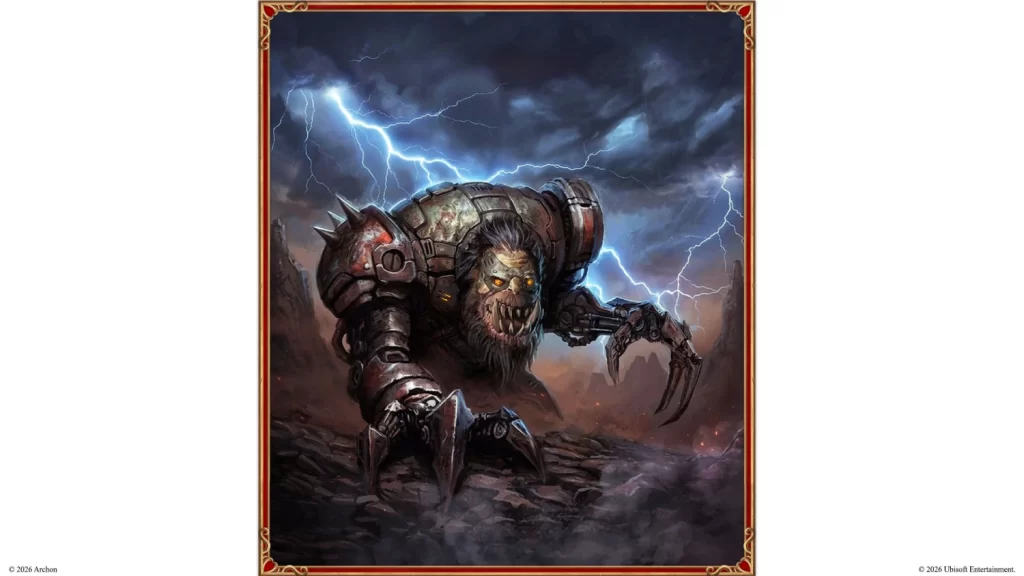
Originally, the Juggernaut/Dreadnought was supposed to be a Mecha resembling a crossbred rhino/triceratops, able to fire ‘ball lightning’ from its mouth. For its special attack, I proposed a special ‘mass missile’ attack from its spine. I also vaguely remember talking of ‘Mecha Godzilla’ being a possibility. Basically, it was either a Mighty Moo++ or a Mecha Dragon.
When it came to the board game, I discarded the original idea, and stuck to the overall ‘faction theme’ of altering existing creatures. So, I proposed a hulkish, cybernetically augmented Behemoth, and we renamed it to Cyberbrute. Upgraded, it’s supposed to reduce enemy Defense -100%, and with each assault, there is a 20% chance to inflict Plasmatic Vomit (2-Hex Breath attack).
How was the Forge town’s balance intended to work in 1999? Was this faction designed to be on equal footing with the others in potential PvP scenarios, or was it conceptually meant to be stronger than the rest? And is there any truth to the rumor that the original Forge would have been so expensive that it required rare resources just to recruit units below tier 7?
Conceptually, the Forge was supposed to be a ‘high-power-high-cost-low-population’ faction. If I recall, the plan was to charge Gold for tiers 1-4, and Gold and Resources for tiers 5-7. Still, when compared it to other factions, it was supposed to be on ‘equal footing’.
As for PvP, as is relatively well known, we balanced the game for single-player, not multiplayer.
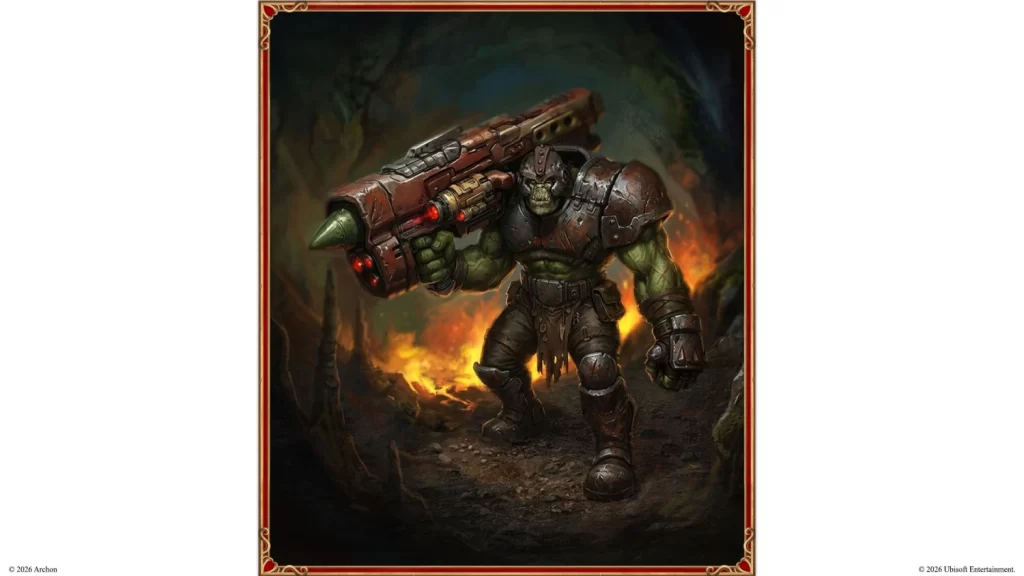
The HotA Crew announced that the Forge faction will be unique, as it will be disabled on standard maps—similar to campaign heroes—and none of its elements will be available in random generation during gameplay, unless a map author deliberately enables it. How was this intended to work in Armageddon’s Blade? Was Forge also meant to be a special town whose elements would be restricted in normal gameplay?
If I remember correctly, originally, there were to be no restrictions. After the Astral Wizard backlash, Gus Smedstad suggested we add the ability to ‘outlaw’ the faction by default, and force the player to enable it if they desired. We were still contemplating this, when everything unraveled, so we never came to a final decision on this specific feature. Had we continued with the Forge, I suspect it would have been made available on every map, but ‘outlawed by default’.
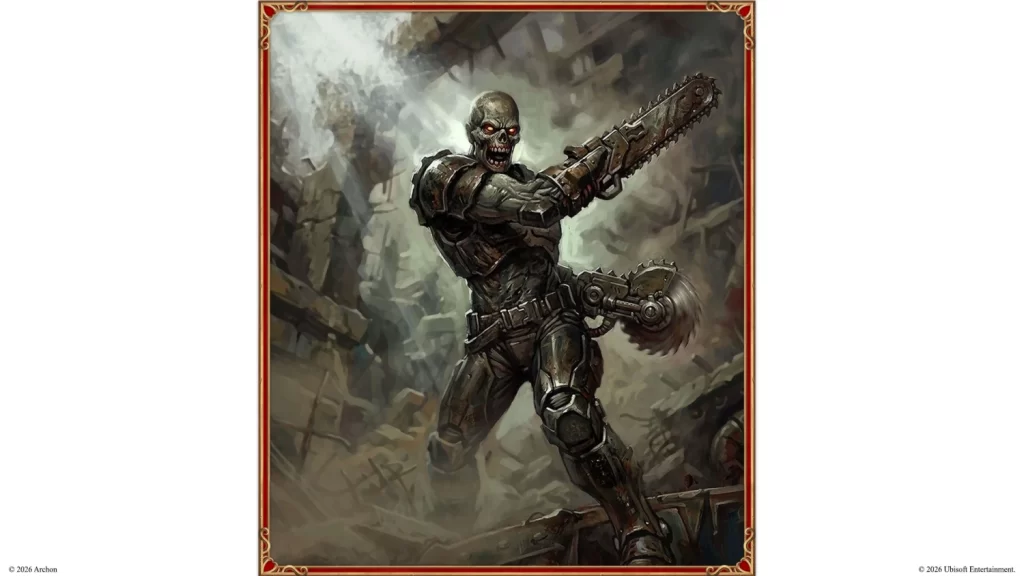
In the context of there now being at least three different Forge interpretations in parallel — in the official Heroes of Might and Magic III Board Game, in the Heroes of Might and Magic III: Horn of the Abyss mod, in the upcoming Heroes of Might and Magic III: Day of Reckoning mod, and in the many hard-to-count versions on the VCMI platform — none of which are 1:1 copies of what we saw in the E3 materials, since each takes its own creative twist: do you think the Forge fans saw in 1999 was already the final version of the town in terms of its visuals, lineup, and atmosphere, something that would have been simply refined and released in that form? Or, from your perspective, was that version only a conceptual stage, and would you expect what we would have gotten at the release of Armageddon’s Blade to have looked different?
To start, from my knowledge at the time, Paul had yet to start work on a Forge town theme. You would need to ask him directly.
As for the Forge in 1999, its conceptual design and atmospheric direction were essentially set. What remained… what was causing trouble… was the ability of the NWC art staff to execute on what we had in mind. I was frustrated. Phelan was frustrated. David Mullich thought we could get where we needed to be, but it would take a lot of iteration. Because of this, I really have no idea how the final Forge would have looked. It could have turned out visually spectacular, or underwhelming, but I suspect it would have been in the visual neighborhood of what we already know.
Now I’ll leave the Forge topic behind and ask about a second faction concept that was also cancelled. In a 2020 interview for the website Behemoth Lair, you mentioned that there was also a “Clockwork Town” idea circulating within the NWC team, with Jennifer Bullard as its main originator. Did you discuss at the time what this faction would generally look like, or was it cancelled so quickly that it remained only at the idea stage?
The Clockwork Town was an idea brainstormed by the Map Makers (Jen, Marcus, DaveB, Ryan, Walt, and Michael), and proposed by Jennifer. I squashed it pretty quick, as I didn’t think the HoMM community would accept it as a substitute for the Forge. On top of this, we were already committed to the Conflux, and I had lost all faith in the NWC art staff to produce anything other than fantasy art.
Still, afterwards, I couldn’t help but hash it out. A clockwork/artifact faction with clockwork/artifact/golem troops would work, and the lore would be a lot of fun. There would be lots of potential for new artifacts working in conjunction with these specific creatures.
Recently, I answered a very long list of questions for the HotA team, and discussed this specific idea. Anything is possible.
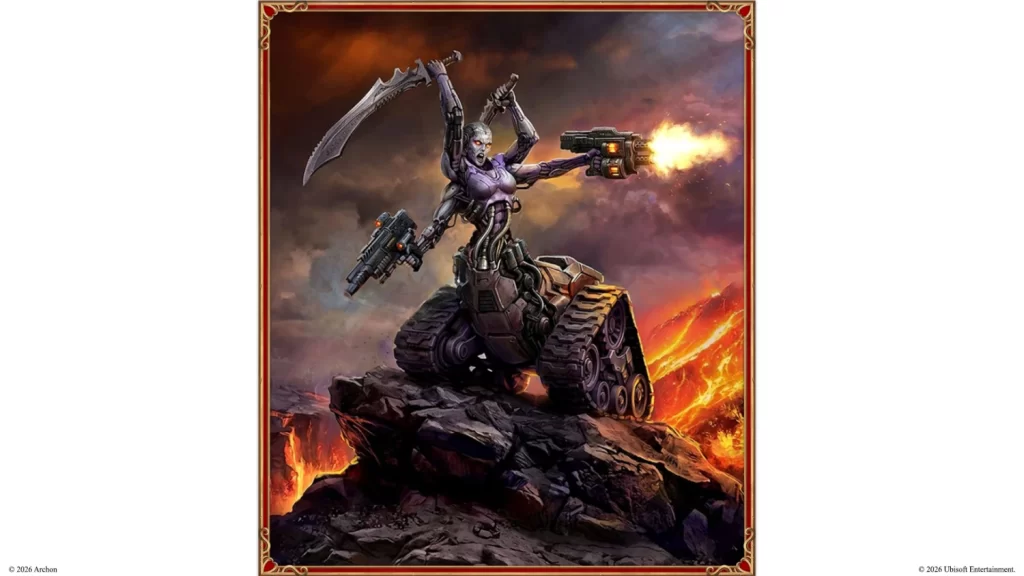
In closing, we would like to wholeheartedly thank you, Greg, for the incredible collaboration on the Forge board game expansion — it is a true honor for us and the realization of long-standing fan dreams. We also deeply appreciate the time and patience you devoted to answering our questions. We wish you excellent health, continued inspiration, and all the very best in the years ahead!
Source: https://archon-studio.com/blog/homm3/greg-fulton-return-of-forge-heroes-might-magic-3-interview
Heroes III Griffin shield badge in stock

WoG Folder – All HoMM mods in one place